
If your skincare products suddenly sting, your face feels tight no matter how much cream you apply, or breakouts appear out of nowhere, the issue often links back to one thing: your skin barrier. This protective layer plays a major role in how your skin looks, feels, and responds to skincare. When it works well, skin stays calm, hydrated, and balanced. When it struggles, almost every skin concern feels harder to manage.
Understanding the skin barrier helps you make smarter product choices, avoid common skincare mistakes, and build routines that support long-term skin health rather than short-term fixes.
What Is the Skin Barrier?
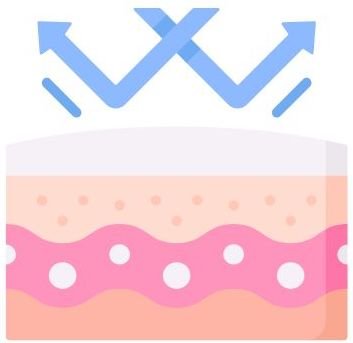
The skin barrier refers to the outermost layer of your skin, known as the stratum corneum. Think of it as a shield that sits between your body and the outside environment. Its main job involves keeping good things in, such as moisture, and keeping harmful things out, such as bacteria, pollution, and irritants.
This layer consists of skin cells held together by lipids, mainly ceramides, cholesterol, and fatty acids. Many skincare experts describe it as a brick-and-mortar structure. The skin cells act as the bricks, while the lipids act as the mortar that holds everything together.
When this structure stays intact, skin feels smooth and resilient. When it weakens, gaps appear, leading to water loss and increased sensitivity.
Why the Skin Barrier Matters So Much
A healthy skin barrier supports nearly every aspect of skin function. Without it, even the best skincare products struggle to deliver results.
Key roles of the skin barrier include:
- Preventing transepidermal water loss, which keeps skin hydrated
- Blocking bacteria, allergens, and pollutants
- Reducing inflammation and sensitivity
- Supporting skin repair and renewal
- Helping active ingredients work without irritation
- Many common concerns like dryness, redness, acne, eczema flare-ups, and premature aging trace back to a compromised barrier.
Signs of a Damaged Skin Barrier
Skin does not always announce barrier damage in obvious ways. Often, the signs build gradually.
Common symptoms include:
- Persistent dryness or flaking
- Redness that lingers
- Stinging or burning when applying products
- Increased breakouts or rough texture
- Makeup sitting poorly on the skin
- Skin feeling tight after cleansing
If your skin reacts to products you once used without issues, barrier disruption often plays a role.
What Causes Skin Barrier Damage?
Barrier damage rarely comes from one single factor. It often results from a mix of habits, products, and environmental exposure.
Over-Exfoliation
Using strong acids, scrubs, or retinoids too often strips away the lipids that protect your skin. Exfoliation supports cell turnover, yet excess use weakens the barrier fast.
Harsh Cleansers
Foaming cleansers with high alcohol or sulfate content remove natural oils that help maintain balance. Skin may feel clean at first, then tight and uncomfortable soon after.
Weather and Environment
Cold air, wind, dry indoor heating, and UV exposure all stress the skin barrier. Pollution adds another layer of irritation, especially in urban areas.
Skipping Moisturiser
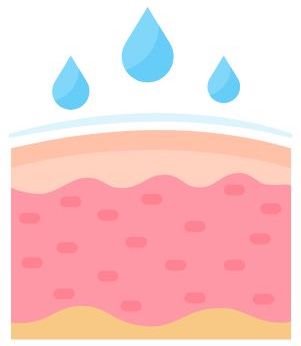
Hydration plays a major role in barrier strength. When skin lacks moisture, cracks form more easily, allowing irritants to penetrate.
Using Too Many Actives
Layering multiple actives like acids, vitamin C, retinol, and benzoyl peroxide increases irritation risk. Skin needs recovery time to rebuild lipids.
How to Repair a Damaged Skin Barrier
Barrier repair focuses on simplicity, consistency, and the right ingredients. Healing takes time, yet most people notice improvement within a few weeks with proper care.
Simplify Your Routine
Strip your routine back to the basics:
- Gentle cleanser
- Hydrating toner or essence
- Barrier-repair moisturiser
- Sunscreen during the day
Pause exfoliating acids and retinoids until skin feels calm again.
Focus on Barrier-Supporting Ingredients
Certain ingredients actively help rebuild the lipid layer.
Look for:
- Ceramides to restore structure
- Cholesterol to support lipid balance
- Fatty acids to strengthen the barrier
- Panthenol to soothe and repair
- Centella asiatica to calm inflammation
- Hyaluronic acid to attract moisture
Many Korean skincare formulas center around these ingredients, making them popular for sensitive and compromised skin.
Use Sunscreen Daily
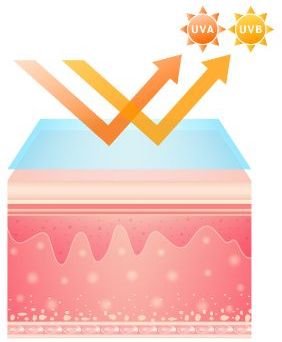
UV exposure weakens the skin barrier even on cloudy days. A gentle, broad-spectrum sunscreen protects healing skin and prevents further damage.
Avoid Hot Water
Hot showers and face washing break down natural oils. Lukewarm water cleans effectively without stripping the skin.
How Long Does Skin Barrier Repair Take?
Barrier repair does not happen overnight. The outer skin layer renews roughly every 28 days, though healing speed varies by age, lifestyle, and severity of damage.
Mild damage may improve within one to two weeks. Deeper disruption often needs four to six weeks of consistent care. Patience pays off here. Switching products too often slows progress.
Skin Barrier Care for Different Skin Types
Dry Skin
Dry skin benefits from richer creams with ceramides and oils. Avoid gel-only moisturisers during colder months.
Oily or Acne-Prone Skin
Barrier care still matters for oily skin. Lightweight lotions with niacinamide and centella support balance without clogging pores.
Sensitive Skin
Minimal formulas work best. Fragrance-free and alcohol-free products reduce irritation risk during repair.
Mature Skin
Lipid production decreases with age. Creams that combine ceramides, peptides, and antioxidants help support barrier strength and elasticity.
Common Myths About the Skin Barrier
Myth: Oily skin does not need barrier repair
Oily skin can still suffer barrier damage, often hidden behind excess oil production.
Myth: Tingling means products are working
Stinging often signals irritation rather than effectiveness.
Myth: More products equal better results
A crowded routine increases stress on the barrier rather than improving outcomes.
Building a Long-Term Barrier-Friendly Routine
Once your skin recovers, maintenance becomes easier. The goal shifts toward prevention rather than repair.
Helpful habits include:
- Exfoliating no more than two times per week
- Introducing new actives slowly
- Moisturising daily, morning and night
- Wearing sunscreen year-round
- Listening to early signs of irritation
Healthy skin responds better to treatments, makeup, and seasonal changes.
Why Barrier Care Improves Every Skincare Goal
Whether your focus involves acne control, brightening, anti-aging, or calming redness, barrier health supports every result. When skin feels balanced, active ingredients perform better and irritation decreases.
Strong barrier care reduces the cycle of product hopping, flare-ups, and frustration that many people experience with skincare.
Your skin barrier shapes how your skin behaves every single day. Supporting it leads to calmer, stronger, and more predictable skin. Small changes, made consistently, often create the biggest improvements.
If your skin feels reactive, dry, or unpredictable, start with barrier repair before adding more actives. Give your skin the support it needs to recover.
Ready to support your skin barrier properly?
Explore gentle, barrier-focused skincare products formulated to calm, hydrate, and strengthen your skin so that every step in your routine works better.